

The Plastic Illusion: Consumer Safety and Rights in the EU
Plastic is everywhere—in your fridge, your phone, your car, even your clothes. It’s wrapped around your vegetables, lines your coffee cup, and hides in your toothpaste. And while the European Union has some of the strongest consumer protection laws in the world, the truth about plastic safety is more complicated.
Yes, the EU bans certain toxic substances. Yes, there are safety standards. But do they go far enough?
The Regulatory Framework: Where we are
At the heart of EU plastic regulation is the General Product Safety Directive (GPSD) and specific legislation on Food Contact Materials (FCMs). These frameworks set rules for plastics that come into contact with food, cosmetics, toys, and electronics—focusing on human health and chemical exposure.
Some key instruments include:
- Packaging and Packaging Waste Regulation (PPWR): A key legislative update aiming to curb packaging waste across the EU by making all packaging recyclable, reducing over-packaging, and setting reuse and recycled content targets. Unlike its predecessor directive, it imposes uniform rules directly on all Member States, pushing businesses toward circular, waste-free systems.
- REACH Regulation (Registration, Evaluation, Authorisation and Restriction of Chemicals): A cornerstone of chemical safety that tracks substances in plastics, restricts the most dangerous, and demands transparency from manufacturers.
- Plastic Food Contact Regulation (EU 10/2011): Covers the materials used in packaging and containers, ensuring they don’t release harmful chemicals into food under “normal” conditions.
- Single-Use Plastics Directive: Bans specific items like plastic cutlery, straws, and cotton buds—not for health reasons per se, but for environmental protection.
Compared to many parts of the world, plastics in the EU are relatively safer, thanks to this precautionary regulatory approach and strong chemical overwatch. For example, bisphenol A (BPA)—an endocrine disruptor—is banned in baby bottles (Directive 2011/8/EU) and heavily restricted in thermal paper and food containers. Similarly, certain phthalates have been restricted in toys and childcare articles (Annex XVII to REACH), based on evidence of reproductive and developmental toxicity.
Yet “relatively safe” is not the same as risk-free. A 2022 report by the European Chemicals Agency (ECHA) acknowledged that many plastic additives lack complete toxicity profiles, and cumulative exposure—especially the so-called “cocktail effect” of multiple low-dose chemicals—remains poorly understood (ECHA, 2022). Furthermore, the European Food Safety Authority (EFSA) recently re-evaluated BPA and significantly lowered the tolerable daily intake (TDI) by a factor of 20,000 due to emerging evidence on immune system effects (EFSA, 2023).
These developments illustrate a broader issue: EU safety thresholds often lag behind scientific advances, and the current system still allows substances of concern under the assumption that “low exposure” equals “low risk.” 1234 In practice, consumers are exposed to dozens—if not hundreds—of plastic-associated chemicals daily. So while plastics in the EU are safer by design, they remain a work in progress when it comes to long-term health protection.
The Uncomfortable Truth: Safety ≠ Harmless
Many plastics contain additives—plasticizers, stabilizers, flame retardants—that help with flexibility, durability, or color. Some of these substances (like phthalates and bisphenols) have been linked to hormonal disruption, developmental issues, and even cancer. While some are restricted, many remain in circulation under the label “safe within limits.”
But “safe” for whom? For how long?
Even “BPA-free” plastics—marketed as healthier alternatives—often contain BPS or BPF, similar compounds with similar risks but fewer regulations.
Meanwhile, microplastics—tiny fragments of degraded plastic—are now found in drinking water, seafood, table salt, and even human blood. The long-term health impacts? Still largely unknown.
Do you want to know more? Take a look to our review on microplastic impacts here: Plastic Pollution in Food Packaging Systems: Impact on Human Health, Socioeconomic Considerations, and the Regulatory Framework.
In short, the science is evolving faster than the regulation. That is why, at Magno, we believe that science isn’t just a compliance tool—it’s a catalyst for transformation. In a rapidly evolving regulatory and environmental landscape, we make a deliberate effort to align business models with emerging scientific insights on materials safety, circularity, and consumer health. This means going beyond what is legally required to anticipate future standards, reduce systemic risks, and build consumer trust. Whether it’s evaluating the toxicological profile of plastic alternatives or integrating lifecycle thinking into product design, Magno treats scientific research as a strategic lever—not an afterthought. Because in today’s market, doing the minimum is not just short-sighted—it’s bad business.
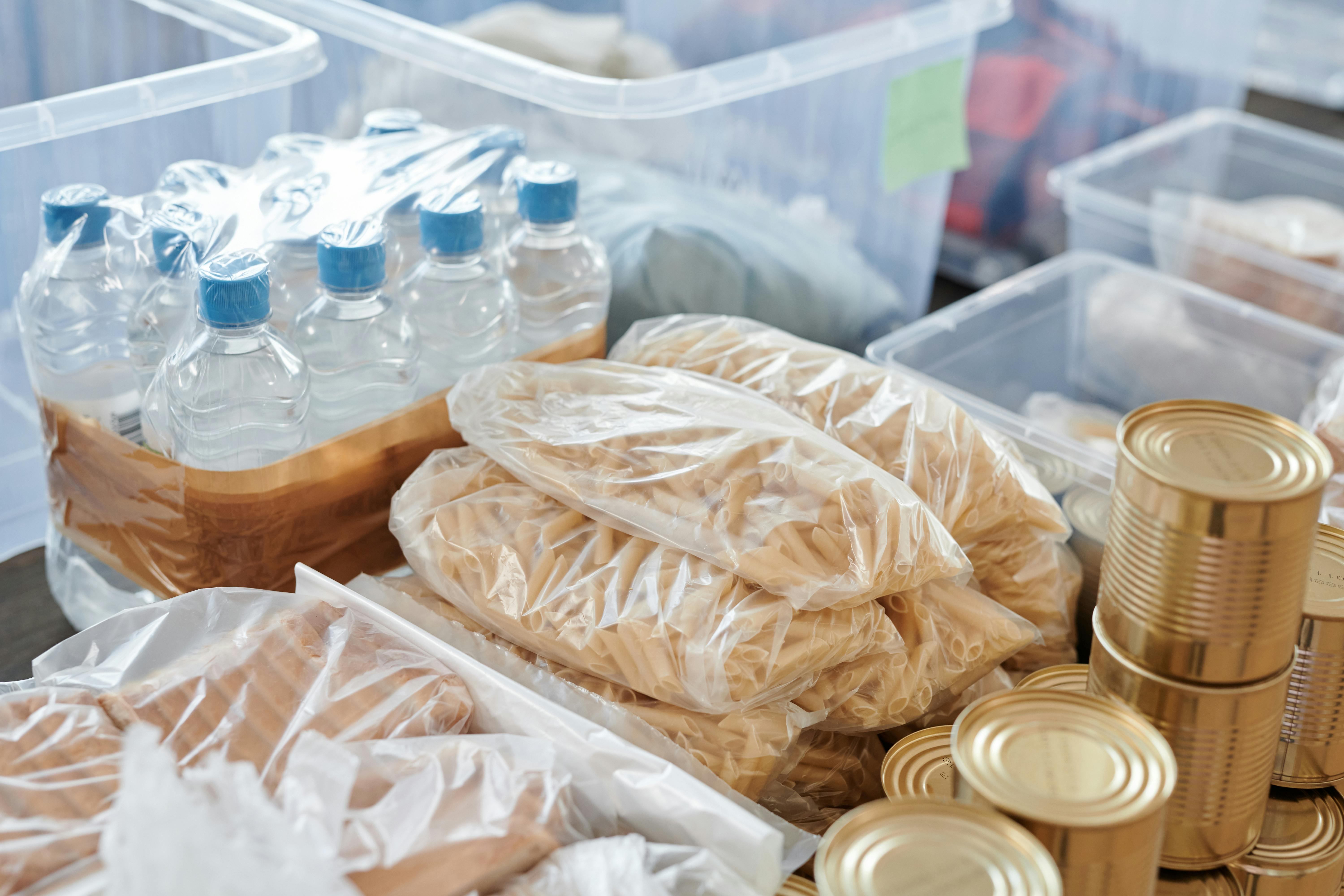
Photo by Julia M Cameron (Pexels), licensed under CC0
Consumer Rights: What You Deserve
Under EU law, you have the right to safety, the right to information, and the right to redress. But when it comes to plastics:
- Labels are vague: Ever seen “do not microwave” or “food safe” with no further explanation? That’s legal. But is it clear?
- Information is limited: Most consumers have no way of knowing which additives or chemical residues are in their products—because producers aren’t required to disclose them to the public.
- Accountability is slippery: If a plastic product harms your health over time, proving it—let alone winning a case—is a legal uphill battle.
Consumers are asked to trust in “safety standards” that are often opaque, incomplete, or reliant on outdated science. Meanwhile, the burden of precaution is placed squarely on the individual.
If the EU wants to continue as a global leader in consumer protection, it must go beyond technical compliance and start treating plastic safety as a public health issue, not just a chemical one.
What can be done?
- Stronger labelling requirements: Full disclosure of chemical additives and risks—especially for food contact, baby products, and cosmetics.
- Precautionary bans: Not just for proven toxic substances, but for those suspected of serious harm—especially endocrine disruptors.
- Support for safer alternatives: Reward innovation in plastic-free or truly non-toxic materials.
- Consumer education campaigns: Clear guidance on plastic use, heat exposure, and safer choices.
- Microplastic monitoring: Include mandatory testing in food, water, and common household products.
Your Role as a Consumer: Don’t Settle for “Safe Enough”
You shouldn’t need a chemistry degree to understand what’s in your lunchbox, your child’s toys, or your water bottle. Yet that’s where we are.
So yes, avoid microwaving plastic. Use glass or stainless steel when you can. Be wary of “green” or “BPA-free” labels that offer comfort more than clarity. But more importantly: demand change.
Write to your Member of the Europea Parliament (MEP) representing your constituency. Support organizations pushing for stronger safety standards. Ask brands what they’re doing to reduce toxic exposure. Refuse to be the last stop in a broken system that treats you like a bin for chemical risk.
Because plastic is cheap, convenient—and increasingly, it’s our problem.