

Refuse, Reduce, Redesign, Reuse, and Recycle: Empowering consumers to take practical steps
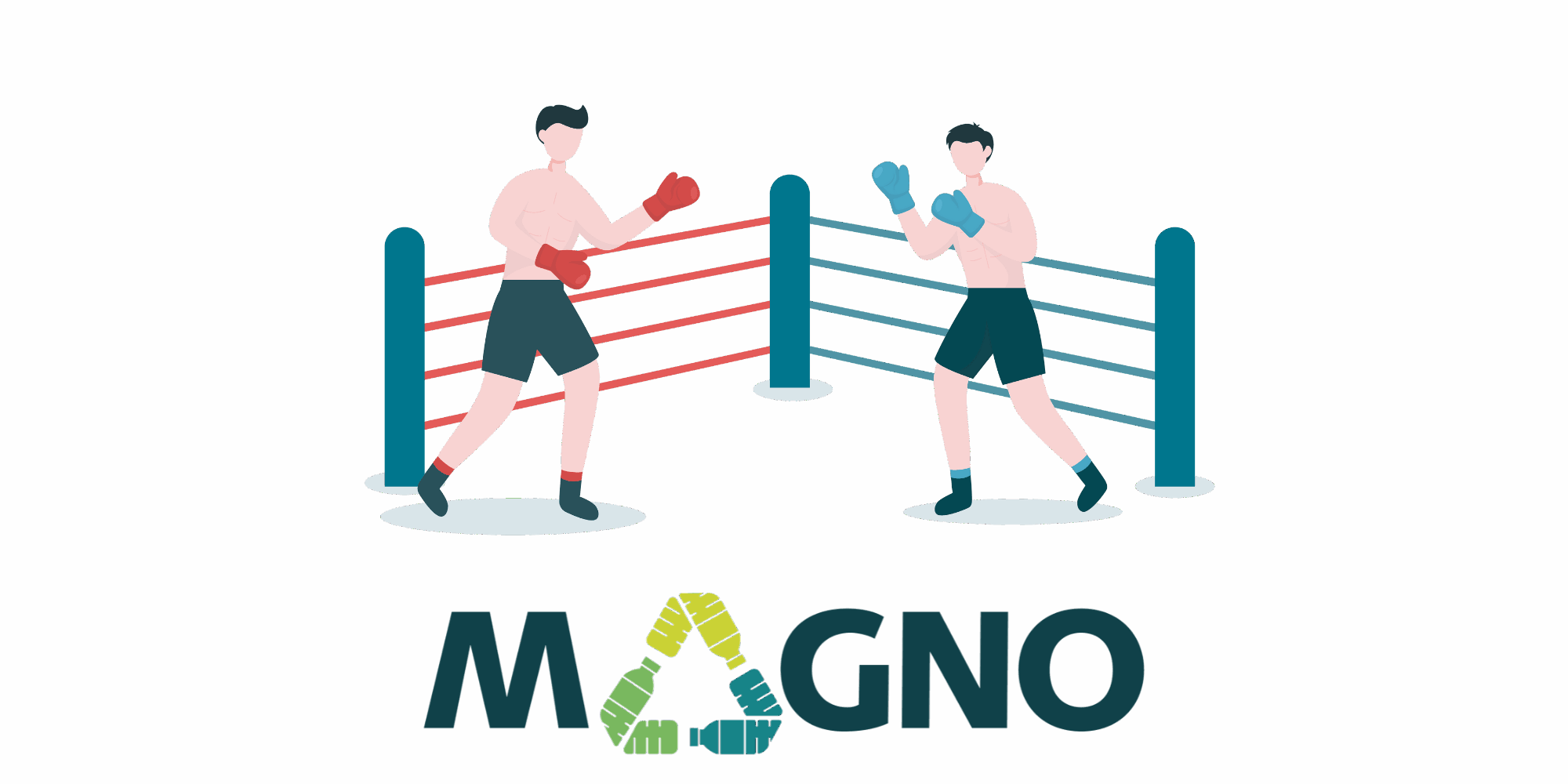
Waste management is no longer just a matter of sorting cans and bottles. It’s a battlefield. On the blue corner, consumers, who want a livable planet or just not having to navigate a sea full of contradictions in the pursue of affordable and sustainable products to cover basic needs. On the red corner, companies, who –by nature- need their activity to be profitable and by –modern post capitalist tendencies –maximize profits without considering their high impact on the environment. Some of them of course sustainable, but others would rather stick a “sustainable” label on a product whilst razing the planet without actually changing their business models. The referee… ideologically divided, multilevel policy makers, who strive to prioritize between sustainable development and economy development .
Good news? Consumers hold more power than they think. The five R’s—Refuse, Reduce, Redesign, Reuse, and Recycle—are not just nice-to-have slogans; they’re practical weapons in the fight against overproduction, unaffordability, unsustainability and waste.
1. Refuse: Stop Accepting the Unacceptable
Consumers have been conditioned to think they must accept whatever unnecessary packaging, single-use plastics, and “fast” everything. Refusing is the most radical, yet simplest step:
- Say no to plastic cutlery when ordering food.
- Skip “freebies” that only create clutter.
- Push back against over-packaged products.
Every refusal sends a signal, and business do not disregard consumer preferences and the impact it has on their revenue. If companies see rejection rates rise, they’ll be forced to innovate—or lose customers.
The history proves it. Here’s one story that serves as a reminder of how powerful collective refusal can be. In 1995, Shell decided to dispose of the Brent Spar oil platform by sinking its 14,500 tonnes in the Atlantic Ocean, with the blessing of the UK government. Greenpeace activists climbed the platform, and the images of their protest sparked a wave of spontaneous public outrage across Europe. Consumers boycotted Shell, with some gas stations in Germany reporting sales losses of up to 50%. The pressure reached the G7, and eventually Shell—facing reputational collapse—was forced to abandon the plan and dismantle Brent Spar on land. The impact didn’t stop there. Shortly after, the OSPAR Convention voted for a moratorium on dumping oil and gas installations at sea—turning consumer refusal into a milestone for marine protection. (Weyler, 2016)

Photo by Harald Zindler (Wikimedia Commons), licensed under CC BY-SA 4.0
2. Reduce: Cut Through Corporate Overproduction
We don’t need 20 variations of the same product wrapped in layers of plastic. Reducing is about breaking the cycle of “more, newer, faster.” For consumers, it means buying less, buying smarter, and choosing durability over trends.
But let’s be clear: the real reduction must happen upstream. Corporations continue to flood markets with disposable goods, then lecture consumers about their recycling habits. It’s time to demand accountability for overproduction and waste built into their supply chains.
3. Redesign: Demand Products That Respect the Planet
Companies love to advertise recycled-content packaging while still designing products that are impossible to repair or recycle. Redesign should mean rethinking the system: products made to last, modular components for repair, and packaging that serves multiple uses.
Consumers can reward the few brands that dare to redesign responsibly—but we should also pressure regulators to make “design for circularity” the norm, not the niche exception.
4. Reuse: Revive What Companies Want You to Throw Away for purchasing again
Reuse is about creativity and resilience. From refillable bottles to community repair workshops, reuse keeps resources in circulation. But here’s the uncomfortable truth: big corporations often see reuse as a threat instead of an opportunity, because they think it only reduces demand for new products.
That’s why consumers need to push harder—choose refill stations, second-hand platforms, and repair services, even when companies make them inconvenient. Every act of reuse chips away at throwaway culture and enables new, more sustainable circular models.

Photo by Schwede66 (Wikimedia Commons), licensed under CC BY-SA 4.0
5. Recycle: The Last Resort, Not the First
Recycling is necessary, but it has been turned into a convenient scapegoat for corporate irresponsibility. Companies have pushed the myth that if consumers just recycle harder, the waste problem will disappear. Spoiler: it won’t. Global recycling systems are overwhelmed due to the increased production of packaging, and many materials still end up in landfills or incinerators.
Consumers should recycle wisely—but also recognize it’s the least powerful of the 5 R’s. True impact comes from refusing, reducing, redesigning, and reusing first.
The Bottom Line: Shift the Balance of Power
The waste crisis is not the consumer’s fault, but consumers do have leverage. By making deliberate choices—refusing the unnecessary, reducing consumption, demanding redesign, and embracing reuse—we help shape demand in ways that expose the real drivers of overproduction. Each decision, whether it’s rejecting excessive packaging or choosing products designed to last, is a signal that wasteful practices are no longer acceptable.
Sustainability isn’t about staging a revolution in daily life, despite how it’s sometimes framed. Most people don’t need—or want—to radically transform everything about how they live. What they need are better options, and those already exist. From refill systems to modular product designs, from repair-friendly policies to digital tools that extend product lifecycles, the innovations are out there. The problem isn’t the absence of solutions—it’s the lack of widespread adoption.
That’s where the real obstacle lies: outdated –or intentional- unresponsive business models built on constant sales and planned obsolescence. Companies often find it easier to market “eco-friendly” labels than to rethink their operations in ways that might reduce profit in the short term. This is not a technology gap but a willpower gap.
Consumers, however, are not powerless. Every purchase is a vote for the type of economy we want to live in. If demand consistently favours products and services designed with the 5 R’s in mind, companies will be forced to adapt—or risk losing revenues. In this sense, consumers set the pace: their collective actions create pressure that no boardroom can ignore.
It’s time to flip the script. Sustainability isn’t a fringe lifestyle—it’s the new baseline. Companies that align with it will thrive. Those that don’t will discover that loyalty and trust are resources just as scarce as the materials they waste.