

A Story of Inspiration for collective action:
From One Strike to Millions
When Greta first skipped school to sit outside the Swedish Parliament, few paid attention. But her persistence sparked conversations
at dinner tables, classrooms, and city halls. Soon, thousands of students across Europe joined her—then millions around the world. In 2019, the Global Climate Strike became one of the largest coordinated protests in human history.
This is the power of collective action: one voice becomes a chorus, and a chorus becomes a force that can’t be ignored. Plastic-free challenges, community campaigns, and citizen-driven projects work the same way. They start small, they grow steadily, and then they shift the conversation entirely.
Back to the future, every major shift in history has started with ordinary people refusing to accept the status quo. Workers demanding rights, citizens fighting for democracy, communities defending their land—all of these struggles began with small acts of courage that grew into collective power. The climate and waste crises are no different.
Today,markets are being flooded with disposable products, politicians and industry lobbies dances sharing rythm, and the planet pays the price. Yet outside parliament chambers, citizens are mobilising. Citizen action is part of democracy. From global climate strikes to plastic-free challenges, citizen and consumer, if there is any difference, movements are demonstrating that when acting together, they can unsettle entrenched interests and push society toward systemic change.
Why Movements Matter
One individual action—a reusable bottle, a different purchase choice, a letter to a representative—has value. But on its own, it can be overlooked. Movements transform those individual actions into something visible, undeniable, and impossible to ignore.
The Fridays for Future strikes, ignited by Greta Thunberg’s solitary protest in front of the Swedish Parliament in 2018, are a perfect example. What began as one teenager with a handwritten sign turned into millions of people across continents demanding climate justice. Greta’s message was simple: if leaders fail to act, we will. That clarity cut through excuses, inspired youth, and shifted political debates across Europe and beyond.
Plastic-free challenges work on the same principle. One household avoiding disposable plastic may not change much, but when thousands of households across countries participate, it sends a signal to brands and policymakers: citizens are ready to live differently—what are you waiting for?
Movements matter because they create pressure, they inspire courage, and they reveal what is possible when we step out of isolation and into solidarity.
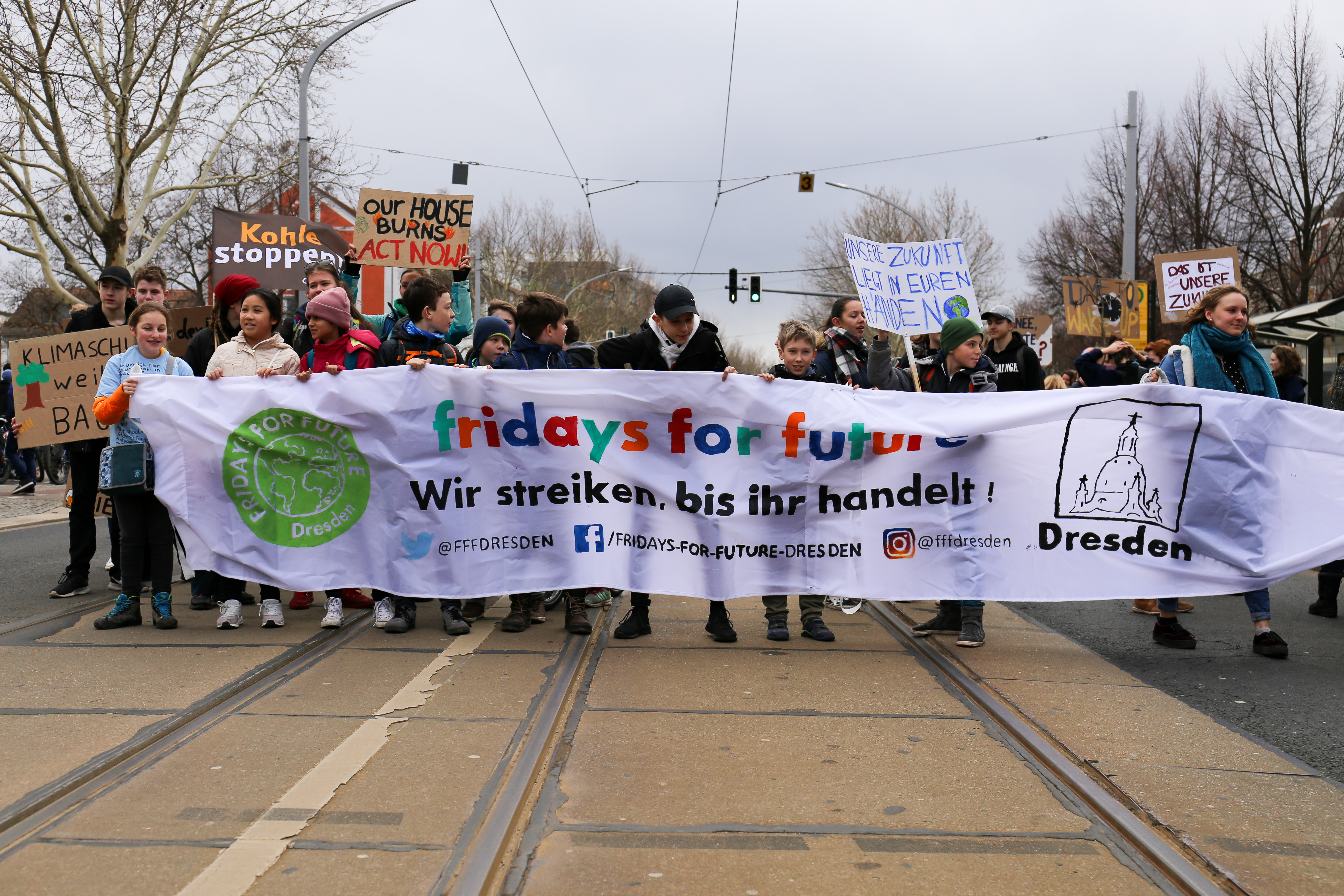
Photo from Ralf Lotys, licensed under CC BY 4.0
Tips for Joining and Contributing
Joining a movement can feel daunting, but it doesn’t have to be. Here are some ways to get involved and make your contribution meaningful:
- Start with a Challenge You Can Commit To: Movements like Plastic Free July or Zero Waste Weeks offer structured entry points. Pick one habit—say, avoiding bottled water or refusing plastic bags—and stick with it for a month. The key isn’t perfection, but participation. These challenges are powerful because they combine individual action with collective visibility.
- MakeIt Visible: Share your commitment with others. Post online, tell your school, involve your workplace. Movements thrive on visibility, and each story helps normalise sustainable choices. Greta Thunberg’s strike became global because she sat in public with her sign. Your actions, too, can inspire simply by being seen.
- Connect Locally, Think Globally: Find a local eco-group, zero-waste shop, or school club. These spaces give you community support and multiply your impact. But don’t stop there—connect to global networks like Break Free From Plastic or Zero Waste Europe. Local roots and global branches give movements their strength.
- Pressure Upwards: Movements aren’t only about changing personal habits—they are about forcing accountability. Join petitions, contact municipal councils, or engage in EU consultations. When thousands of people show up, politicians can’t hide behind industry excuses forever.
- Support and Learn from Youth: Young people have been leading the charge—from Greta Thunberg’s school strike to student eco-clubs across Europe. Support them by amplifying their voices, showing up at their events, and making space for their leadership. Adults can provide resources and networks; youth provide urgency and vision.
From Strikes to Systems: How Movements Align with MAGNO
Protest alone isn’t enough. That’s why movements need projects that turn pressure into practice.
Greta’s strike demanded climate action; citizens participating in plastic-free challenges prove willingness to change habits. But what about the systems that make sustainable living possible?
That’s where initiatives like MAGNO enter the picture. MAGNO pilots packaging solutions with businesses, schools, and communities. It builds the infrastructure—cleaning, logistics, collection—that makes reuse as easy as throwaway convenience. For a local community group or school, partnering with MAGNO could mean access to ready-made support or guidance towards reusable containers, instead of reinventing everything from scratch.
The alignment is powerful:
- Movements raise awareness and pressure.
- Projects like MAGNO provide practical models.
- Policymakers are forced to follow.
Together, they form a cycle: activism drives ambition, projects prove solutions, and both make it harder for governments and corporations to delay.

Photo from Vladimir Morozov, licensed under CC BY 4.0
Activist’s Toolkit: 5 Steps to Join Today
Not everyone feels ready to join a movement right away—and that’s fine. Change can also start alone, in your own kitchen, school, or workplace. Choosing to cut down on plastic bags, refusing overpackaged products, or switching to reusable containers are all small but meaningful acts. The important part is to treat them as seeds of activism, not just lifestyle tweaks. Document your efforts, share them with friends, or even start a blog or social media page about your journey. Individual action becomes more powerful when it’s visible—it can inspire others, spark conversations, and sometimes grow into a collective effort. And if you ever feel ready, those small personal experiments can serve as your bridge into larger initiatives or collaborations like MAGNO, where individual choices meet community impact.
- Pick a Challenge – Join Plastic Free July, a zero-waste week, or a local clean-up. Start small, but commit.
- Find Your People – Look for local groups or online communities where you can share ideas and encouragement.
- Raise Your Voice – Post your progress, write to local leaders, sign petitions. Visibility creates momentum.
- Scale Your Impact – Move from individual changes to collective campaigns: school initiatives, workplace challenges, neighbourhood projects.
- Link to Larger Efforts – Support systemic projects like MAGNO that build the infrastructure for a reusable, circular economy.
Where Action Becomes Inspiration
Joining a movement is not about being perfect—it’s about being present. It’s about saying: I refuse to be passive while the planet is trashed for profit. I will act, and I will act with others.
Greta reminded us that “you are never too small to make a difference.” By stepping into local or global movements and
connecting to initiatives like MAGNO, we prove that collective action is bigger than corporate excuses and stronger than political inertia.
Change doesn’t start in high policy stances. It starts with people, together, refusing to stay silent.