

Engaging Schools and Youth Organisations. Tools for Parents and Teachers
Children and young people are often presented as “the future”. The ones who will fix what previous generations broke. The ones who need to learn how to behave better, consume less and care more.
This narrative is not only unfair. It is ineffective.
Young people today are already growing up surrounded by environmental messages. What they often lack is not awareness, but coherent systems that make sustainable choices the easiest ones. This is where educational initiatives can make a real difference.
1. Design the environment, don’t lecture behaviour
Schools, youth organisations and community spaces are not just places of learning. They are places of routine. And routines shape behaviour far more effectively than rules, posters or lectures.
One powerful educational approach is redesigning everyday environments so that sustainable choices become the default. For example, instead of selling bottled water, schools could install drinking fountains in corridors and common areas, encouraging students to drink directly or refill their own bottles. No moralising, no enforcement. The system itself does the work.
Structural decisions like this send a clear message: sustainability is not an extra effort or a special subject. It is embedded in how spaces function. When young people experience sustainability as normal and practical, it becomes easier to adopt without resistance.
2. Learn by doing: from abstract ideas to lived experience
Environmental education becomes meaningful when it moves beyond theory and enters daily life.
Schools and youth organisations can create learning experiences where students observe, measure and reflect. For example, students could track the amount of packaging waste generated during lunch breaks over a week and discuss where it comes from and what alternatives might exist. Others could redesign school events to reduce single-use materials.
Creativity also plays a key role. Activities or workshops centred on reuse allow young people to give a second life to clothes or everyday objects they no longer use. Old textiles can become bags or pencil cases. Discarded materials can be transformed into functional or decorative objects.
These experiences shift the focus from “waste” to “potential”. Sustainability becomes creative, collaborative and empowering rather than restrictive. When young people feel ownership over the process, learning turns into a skill they develop, not a rule they follow.
 Photo from Sustainability Directory, licensed under CC BY 4.0
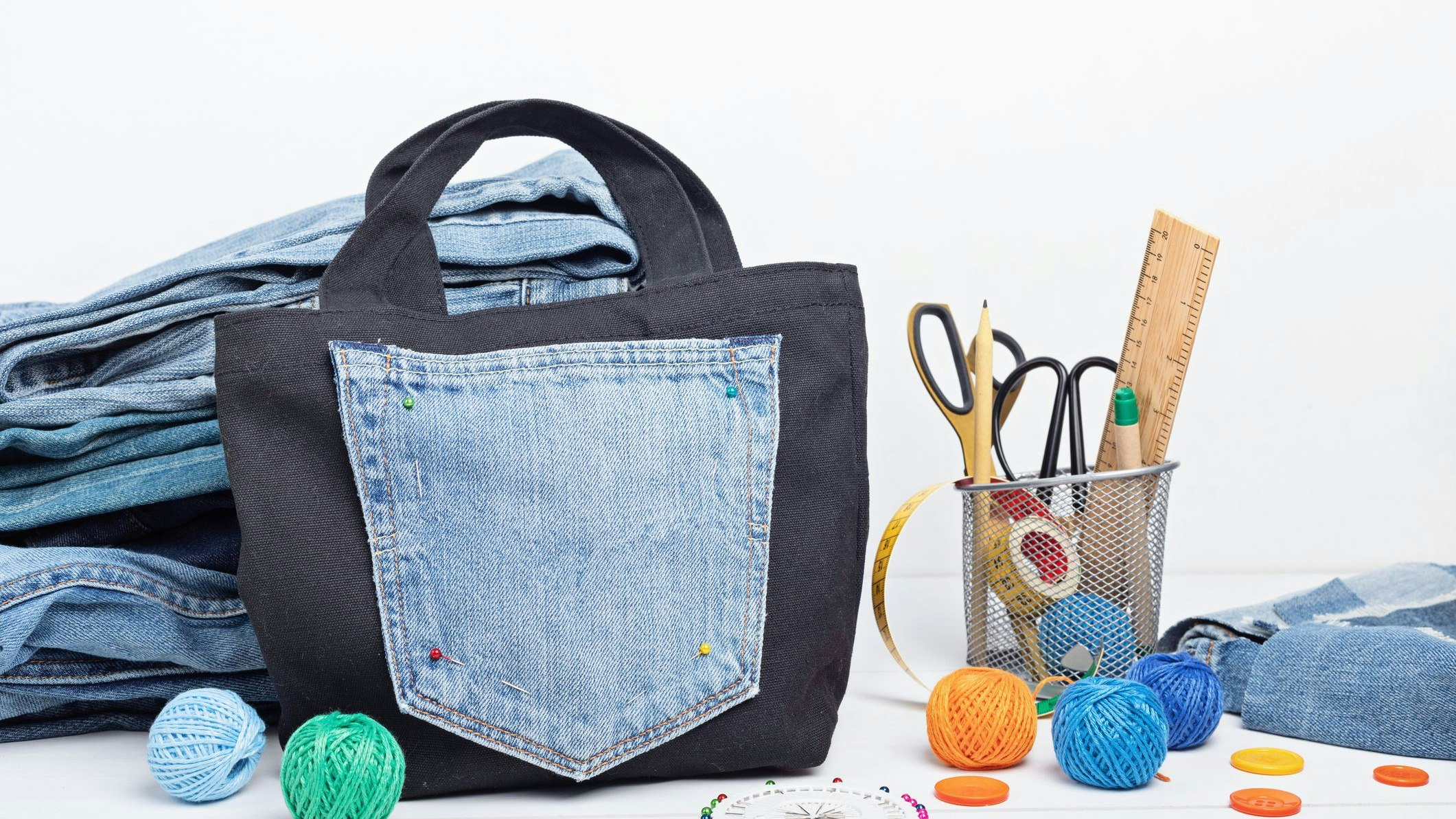 Photo from Heute.at, licensed under CC BY 4.0
3. Empowerment over pressure: building confidence through collective goals
Many young people feel overwhelmed by environmental problems they did not create. Educational initiatives should help them see where they have influence, without suggesting they are responsible for fixing everything.
One effective approach is framing sustainability as a shared, achievable process. A school, for example, could start the academic year by measuring how much waste it generates in a typical week. That figure becomes a baseline.
The goal is not perfection, but progress.
If, by the end of the school year, the community manages to reduce that waste by half, everyone benefits together. The reward could be a shared experience, such as a school trip or a collective activity. The focus is not on individual blame, but on cooperation and shared achievement.
Teachers play a key role as facilitators, not superheroes. Simple, adaptable tools that fit into existing subjects are far more effective than asking educators to become sustainability experts overnight. Parents, too, should be supported without guilt, through small, realistic actions and open conversations.
When schools, families and communities move in the same direction, sustainability feels coherent rather than contradictory.
Photo from Close the Loop, licensed under CC BY-NC 4.0
Raising critical and capable citizens
Educational initiatives are not about producing perfect environmental behaviour. They are about helping young people understand systems, question norms and imagine alternatives.
By designing supportive environments, creating hands-on learning experiences and framing sustainability as a collective journey, education moves beyond awareness.
That is how young people grow into critical, capable citizens.
Not by being told to care more, but by being given the space to act.