


The Waste Game: How Policies design the playboard, how some players cheat and What fair players (Consumers) Must Demand
Let’s face it: the world is drowning in waste, and while governments love to show-off about their shiny environmental policies, many are little more than green-tinted PR campaigns. Consumers are told to recycle, bring reusable bags, and cut down on plastic straws—as if that will undo the mountains of waste generated by unchecked corporate practices and short-sighted policies. It’s time to pull back the curtain and ask: are the world’s environmental policies on waste reduction actually working—or are they just passing the buck? In any case we will take a look to whats around so you can decide:
Global Commitments—Great on Paper, Toothless in Practice?
Several key international agreements aim to reduce waste and promote sustainable resource use. Chief among them:
- The Basel Convention
This 1989 treaty regulates the transboundary movement of hazardous wastes and their disposal. It was amended in 2019 to include certain types of plastic waste, a win in theory. But enforcement is spotty, and wealthy countries still ship their trash to poorer nations, often under the guise of “recycling.” Sound like global justice? Well…
- The European Union’s Circular Economy Action Plan
The EU often leads the way in sustainability, and its Circular Economy Action Plan is bold: it aims to design out waste and keep products in use longer. But the gap between policy and practice remains. For example, eco-design requirements still don’t apply to many fast-moving consumer goods, which means your smartphone may still be built to die young. There are some innovations in the pipeline as SSbD but… will they arrive in time?
- UN Sustainable Development Goals (SDG 12: Responsible Consumption and Production)
This lofty goal encourages waste reduction across the board. Yet, in 2024, global material consumption hit a record high. In other words, while governments sign pledges, consumption is running wild. Soft approaches within the value chain get soft results.
Regional Champions and Greenwashing Villains
Asia: Plastic Bans and Piecemeal Progress
Several Asian countries have banned single-use plastics—India, for instance, announced a nationwide ban in 2022. But enforcement is inconsistent, and informal economies still rely on cheap plastics. Worse, multinational corporations often circumvent these bans entirely due to lack of supervision.
Africa: The Unlikely Leader
Rwanda, is a model of waste discipline. This should be a lesson for global major countries. Its plastic bag ban from 2008 is among the world’s most effective. Other African nations are following suit, proving that firm legislation and citizen buy-in can work. So why can’t richer countries get their rules together?
North America: Still Worshipping at the Altar of Convenience
The U.S. has no national waste reduction policy—only a patchwork of state laws. Canada claims to be phasing out single-use plastics, but the pace is glacial. Meanwhile, the average North American still generates over 2 kg of waste per day. Let that sink in. The perspective with the current government may not be the best in term of enviromental sensitiveness.
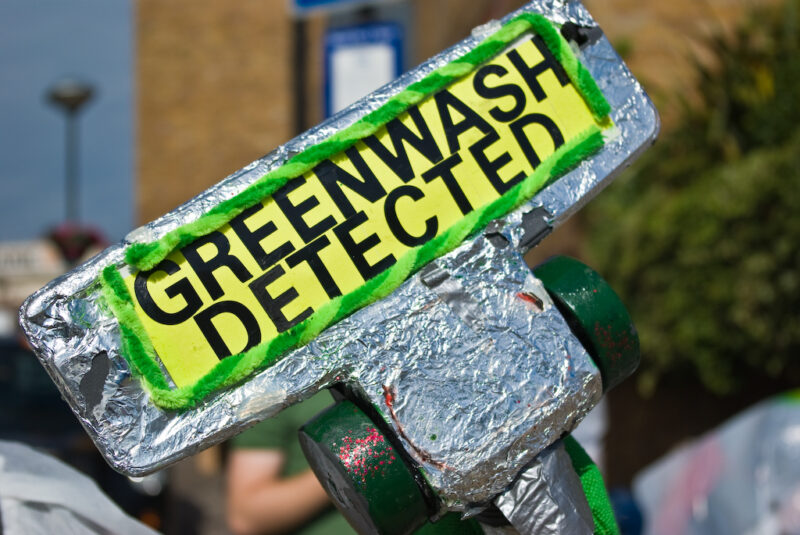
Photo by Mike Langridge, licensed under CC BY-NC-ND 2.0 UK
The European Union: Ambitious Goals, SitCom episode Execution
When it comes to environmental policy, the EU loves to see itself as the global grown-up in the room. And to be fair, it has some of the most advanced waste reduction strategies on the planet. But even in Brussels’ green utopia, the devil is in the details—and the follow-through. Companies still broadly lobbying and narrowly dodging enforcement.
The Circular Economy Action Plan: A Vision That Still Loops in Circles
Launched in 2020, the EU’s Circular Economy Action Plan is a flagship strategy that aims to transform Europe’s throwaway culture. It targets product design, production processes, and consumer use, with an emphasis on making products last longer and be easier to repair and recycle.
Highlights include:
- Right to repair: Legislation now pushes for electronics and appliances to be fixable by consumers, not just tossed when a battery dies.
- Eco-design rules: New regulations will require products—from smartphones to packaging—to meet durability and sustainability standards.
- Waste prevention targets: Including a goal to halve residual (non-recycled) municipal waste by 2030.
It all sounds fantastic. But ask any EU consumer trying to get a modern phone fixed, and they’ll tell you: planned obsolescence is still alive and kicking. While the EU has set a solid framework, enforcement is uneven and many businesses are still gaming the system.
Single-Use Plastics Directive: A Ban with a Loophole Problem
The EU banned several single-use plastic items in 2021—think straws, cutlery, plates, and cotton buds. This was widely celebrated as a turning point. But companies have been quick to sidestep the rules by switching to “bioplastics” or “compostable” packaging that sound eco-friendly but are often just as problematic.
Meanwhile, supermarkets continue to package fruit in layers of plastic film, and “recyclable” labels often mean nothing—since much of it still ends up incinerated or exported. Consumers, limited by constantly constrained budgets dont have room for maneuvers.
Extended Producer Responsibility (EPR): The Quiet Revolution?
One of the most promising (and under-hyped) policies is Extended Producer Responsibility, which forces companies to cover the cost of managing their products after use. This includes packaging, electronics, and even textiles. EPR is slowly spreading across the EU and could genuinely shift the cost burden away from taxpayers and onto the corporations creating the mess. Consumer dont have the ability to buy if companies do not offer, and earn money from it. Thus, it make sense that “What goes around comes around”, “You do the crime, you do the time”, “If you do it, you pay for it.” Or that “You reap what you sow.”
But again—execution is everything. If EPR is diluted by lobbying or exploited through loopholes, it becomes just another feel-good headline.
Bottom line for EU consumers? You’re living in the world’s most ambitious regulatory environment for waste—but don’t let that lull you into complacency. These policies only work if we pressure governments, and governments (and political parties) get pressure from consumers to enforce them, and businesses to comply without sleight-of-hand. Call out greenwashing. Demand transparency. And don’t buy into the illusion that just because the label says “eco,” it actually is.
In the EU, the architecture for change is there. Now we need to make sure it doesn’t become a monument to missed opportunities. Join a consumer association, organise yourself 😉
Photo by Wikimedia Commons, licensed under CC BY 2.0
So What Can Consumers Do—Besides Feel Guilty?
So, dear consumer, here may be the provocative truth: it’s not your fault. Yes, you should reduce, reuse, and recycle—but the real lever of change is political and economic pressure. Here’s what you can do:
- Demand accountability from brands and politicians. Ask what they’re doing to reduce waste at the source.
- Support right-to-repair laws, extended producer responsibility, and deposit return systems.
- Boycott overpackaged and disposable products. Your wallet has power—use it wisely.
- Get loud. Policies only change when citizens make noise.
The Global Bottom Line
The current environmental policies on waste reduction are a patchwork of good intentions, half-measures, and bold-faced hypocrisy under lobbying game rules. Consumers are expected to play eco-warrior with their recycling bins and drink microplastic full mojitos in paper straws while corporations churn out disposable junk and governments fail to act decisively. It’s time to flip the script. Let’s stop asking individuals to save the planet on their own—and start demanding systemic change that actually reduces waste at the source.
Because until then, “zero waste” will remain a catchy slogan—one buried under a pile of broken promises and plastic wrap.